
Archive for the ‘dreams’ category
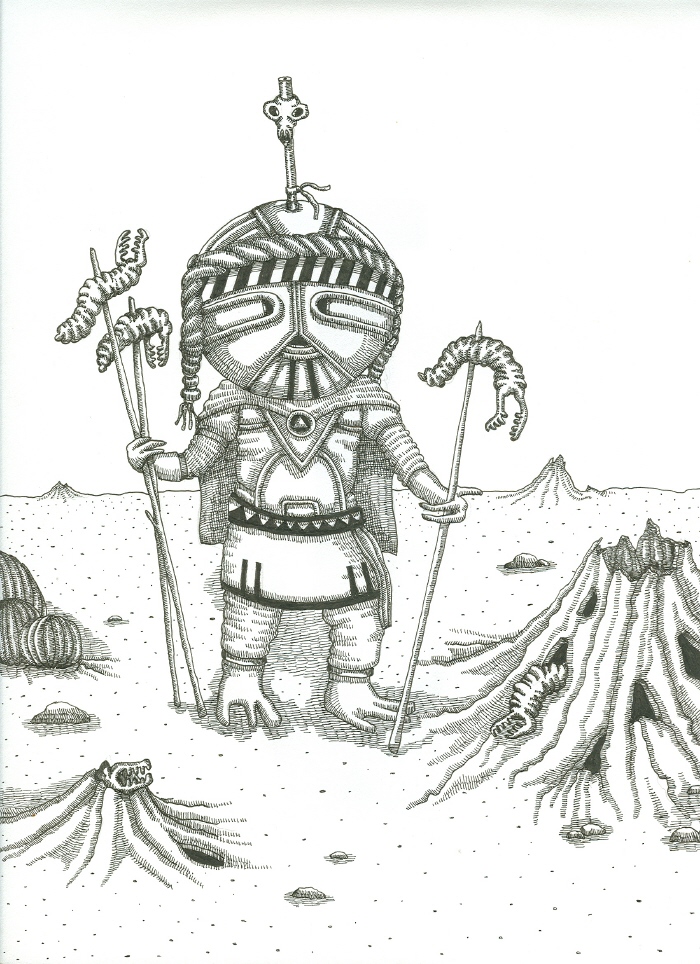
Morris Lee
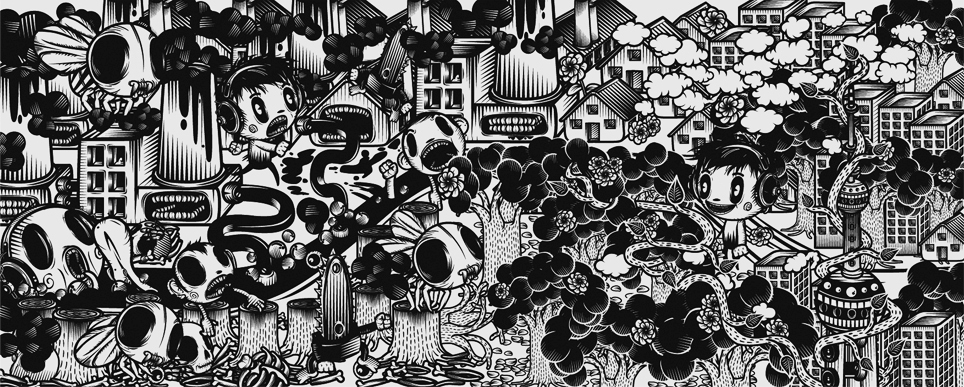
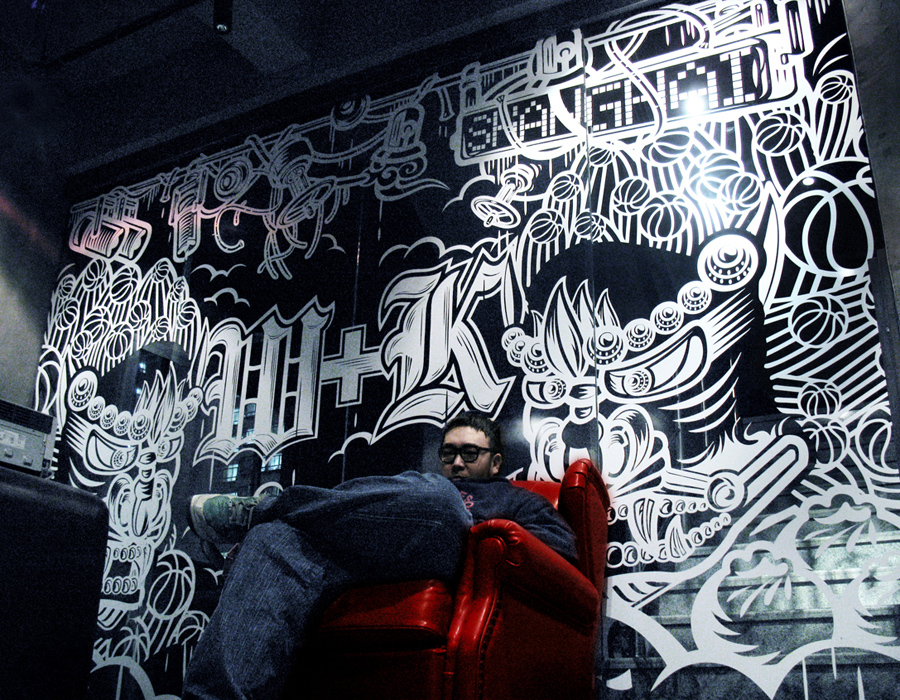
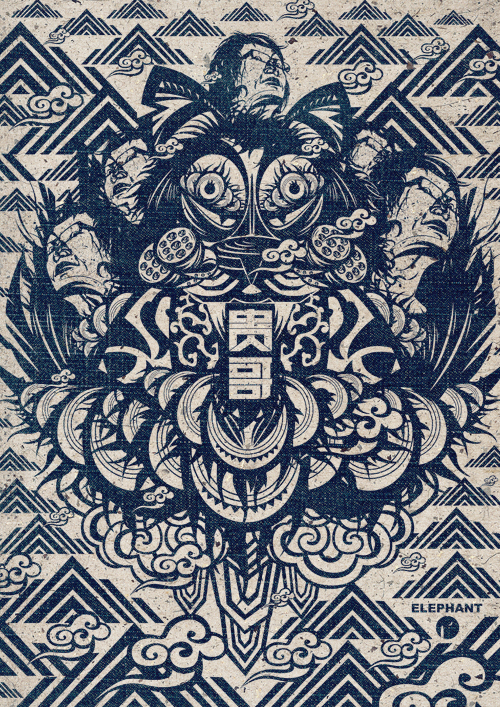
Another illustration god at W+K Shanghai. The office is just filled with talented people. Oh, and he’s Singaporean.
Collecting as Art
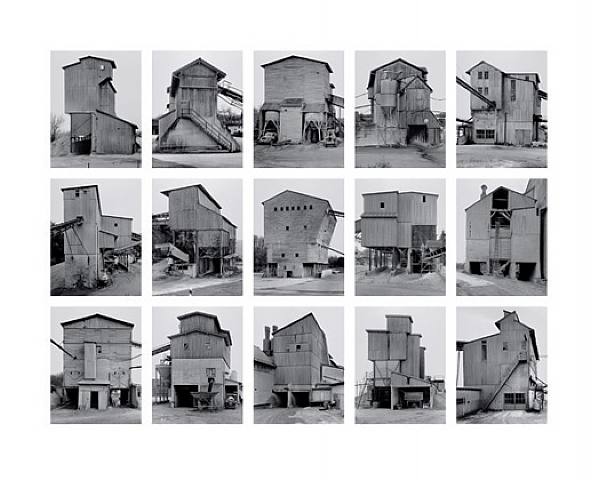
Lately I have become interested in artists for whom collecting is central to their process. Dealing with taxonomies and systems of classification, their work is, at least in part, a critique of the activities of museums and collecting institutions or individuals. Fundamentally, these artists are exploring notions of identity through quantitative assessment. Here, identity is expressed through an ontology—a system of objects, representing a particular and unique perspective. A collection seeks to establish a framework by which to formalize, structure and express its content. Through their work, these artists critique that framework at different levels—relating to individual identity, the role of the institution, or society at large.
It seems that the need to categorize is a basic human trait. We cannot not categorize. The ontologies we create define cultures, as the result of processes by which we shape our lives. Museums fundamentally aim to document culture, and the systems of classification created within the museum context reflect those present within society. Art involved in a critique of these systems is therefore fundamentally also a critique of society at large—a particular society, that is—aiming in an almost scientific way to objectify the outcomes of those processes that manifest themselves in certain predictable or less-predictable forms.
http://www.formfollowsbehavior.com/2008/06/25/collecting-as-art/
Project M North
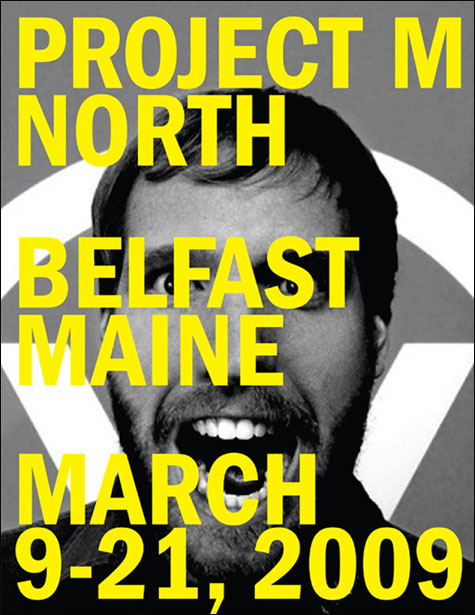
Founded by Belfast resident John Bielenberg six years ago, Project M has brought together young designers from different creative disciplines to create graphic instruments that investigate, explain and perhaps solve community problems through design.
The process developed by Bielenberg, taught in 2-to-4-week intensive laboratories, is known as Thinking Wrong. By following this unorthodox pathway to problem solving, using creative vision, inspiration, exploration and multiple processes, the collaborative efforts of the young designers lead them to new ways of making a difference in the world around them.
Examples of the impact Project M has had around the world including mounting a 48 Hour Global Video Blitz during the height of governmental collapse in Iceland (visit doblitz.com); launching Project 425, which provides a financial conduit of hope and clean water to Hale County, Ala.; rushing an “M-bulance” of supplies to graphic designers affected by Hurricane Katrina; pumping up micro-financing projects for the Woman’s Trust in Ghana; and seeding change of urban blight in East Baltimore parks through the “This Is Not Grass” book project.
Project M has developed a permanent lab site in Greensboro, Ala., but from March 8 to the 21st, Project M North will be based at Waterfall Arts Belfast. Bringing 13 enthusiastic designers together who are eager to Think Wrong, the project will pave the way for future endeavors that will impact Waterfall Arts, Belfast and the Midcoast.
Under the direction of Bielenberg and his advisors, the M’ers will live, eat and work together. Members of the extended community will be invited to communal dinners at Waterfall Arts to share their ideas and plans with the intent of propelling energy toward dynamic results.
Project M’s Web site, projectmlab.com, provides further insight into the range and depth of this initiative. More information on Project M’s schedule and products will be available at waterfallarts.org.
Armory Arts Show

The Armory Show, The International Fair of New Art
Pier 94
The Armory Show – Modern
Pier 92
Hudson River (Twelfth Avenue) at 55th Street, New York City
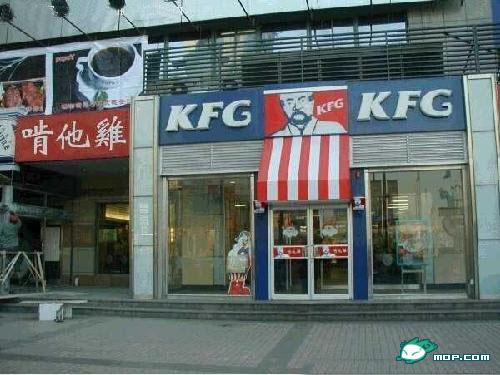
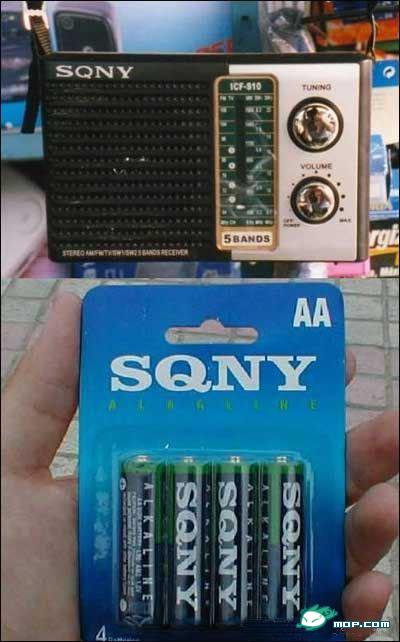
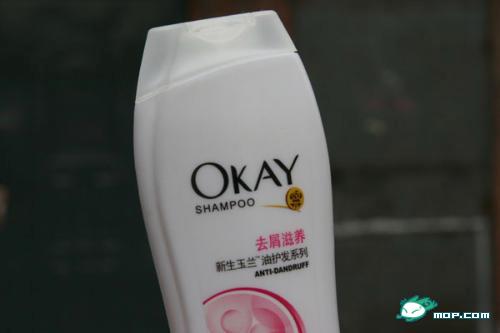
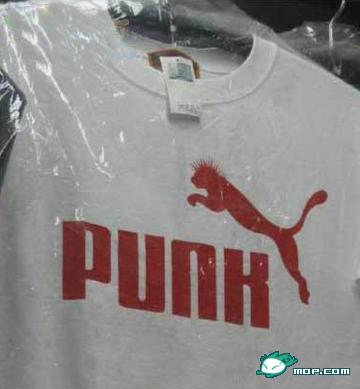
Chinese “Shanzhai” Brands
山寨 = shan1 zhai4 = literally “mountain stronghold” in reference to historical warlord holdouts that were outside of government control. A “shanzhai” edition product thus refers to products outside of government regulations that are widely reflected in the numerous fake and knockoff electronics/commodities made in China today. The term “shanzhai” can also refer to things that are improvised or home-made and are generally crude in both form and function (the closest English equivalent would be “ghetto”).
http://www.chinasmack.com/pictures/funny-and-clever-chinese-shanzhai-brands/
The Gracious Gift Givers I Would Like To Have Met by Mario Hugo


Original photograph of China in 1980’s
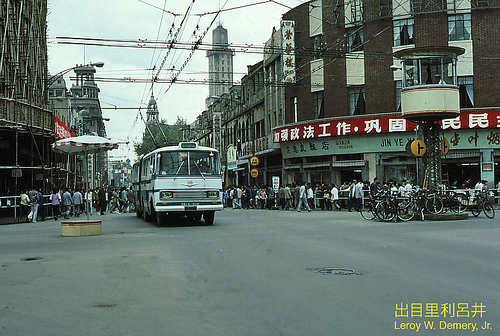
1980 is the beginning of China’s economic reforming and opening up. Leroy
W. Demery, Jr. , an 27 years old American, decided to cross the ocean and
check out the mystery east. His first stop is HongKong. During the time in
HK, the tour guide asked him if he’d like to spend an afternoon in a place
next to HK but across the sea. And he said “YES”. The place he went to is
Sheng Zhen, the first city to start reform and open up in China in 1979.
Leroy recorded the original ShenZheng in the last minute, before all these
got replaced by factories. He came to China again in 1983, visited a lot of
other cities and recorded all of them. I am kind of curious why this old
country pick this young man from the west to record how this land looks like
before everything totally changed, but I am really glad to get to see these
treasure images today. Not only me, same as a lot of people. Leroy start
to put these photos on flickr since Dec,2008 and attract tons of viewers.
Among these viewers, there is a curator of ShenZhen & HongKong architecture
biannual, and the result is these photos will be exhibited in the show.
Check them out now on Leroy W. Demery, Jr.’s flickr album.
http://flickr.com/photos/lwdemery/
http://www.flickr.com/photos/gedawei/collections/
via Julia Liu of W+K Shanghai
Sweetcron: Lifestream blog software

BETTER:design for social cause

This past weekend Princeton University hosted BETTER: Design for Social Causes, a conference to discuss how graphic design can serve as a vehicle for social change. The event brought together practicing professionals and students, to confront designer’s ability to shape society’s conscience. How can design compel disaffected audiences to take action on social issues? How is it possible to sustain a career designing for social causes?
Speakers included:

Jessica Helfand & William, Partners at Winterhouse
“A Design Practice in Evolution: Rethinking Cultural Engagement and Social Innovation”

Debra Rizzi, Partner at Rizco Design
“One Change Now: Preserving the Environment One Design At a Time”

Jeffrey Zeldman, Executive Creative Director at Happy Cog Studios
“Design as Partnership”

Brian Collins, Founder of COLLINS: & Leland Maschmeyer, Director of Strategy, COLLINS:
“What’s the Story?”

Abbott Miller, Partner at Pentagram New York
“The New Materialism”

Posters on display, submitted for Sustainable Design Contest focusing on the topic of environmental sustainability. The entries were judged by the panel of speakers.

SEED - The Universe in ‘09
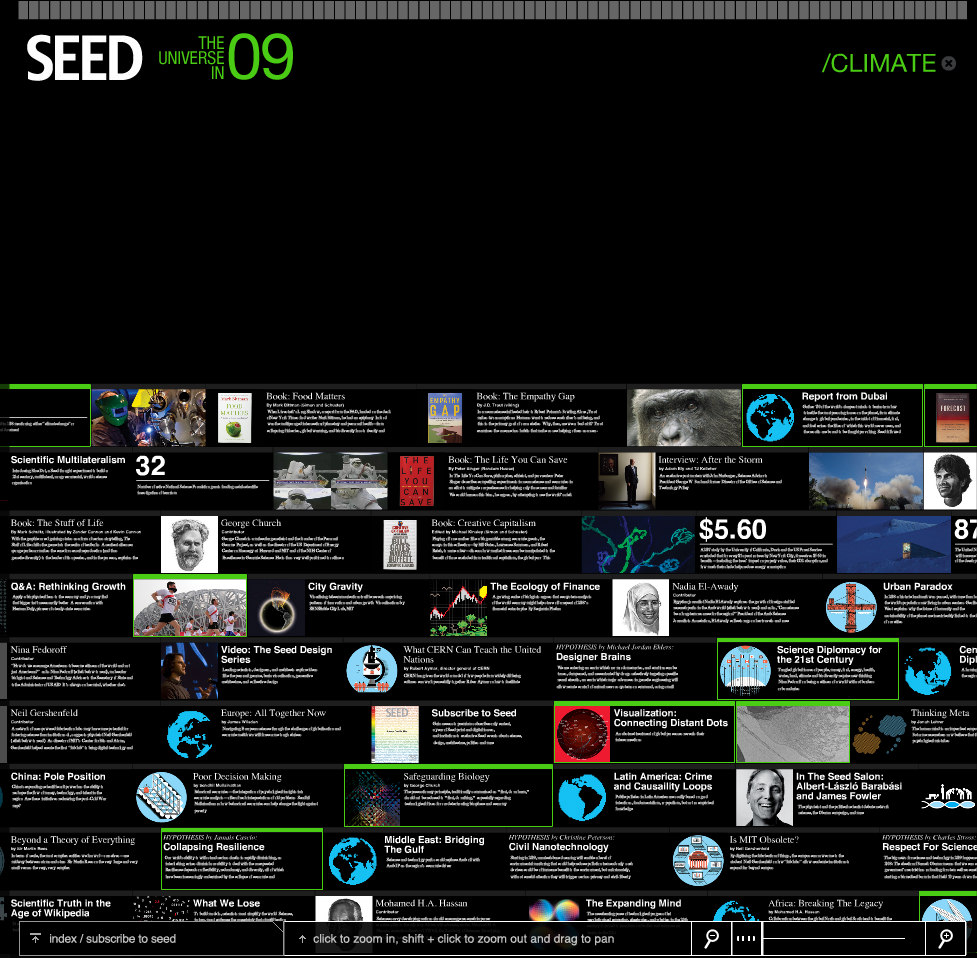
Check out the nice use of tags in the navigation system at the top.
Studying the classics teaches you the values you need to live without the money you give up because you studied the classics.
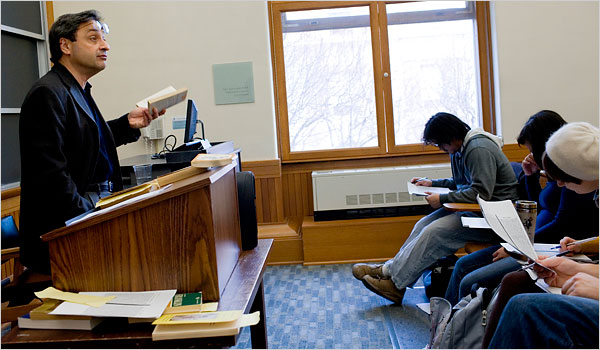
One idea that elite universities like Yale, sprawling public systems like Wisconsin and smaller private colleges like Lewis and Clark have shared for generations is that a traditional liberal arts education is, by definition, not intended to prepare students for a specific vocation. Rather, the critical thinking, civic and historical knowledge and ethical reasoning that the humanities develop have a different purpose: They are prerequisites for personal growth and participation in a free democracy, regardless of career choice.
This crisis of confidence has prompted a reassessment of what has long been considered the humanities’ central and sacred mission: to explore, as one scholar put it, “what it means to be a human being.”
http://www.nytimes.com/2009/02/25/books/25human.html?ref=opinion
To the Editor:
During my 40 years teaching European history at Trinity College, my answer to the question “What do you do with a history major?” was, “Nothing, unless you want to teach.”
The better question is, “What do history majors do?” And the answer is, “Everything — law, business, finance, medicine, journalism, politics and much more.”
To the Editor:
It is shockingly inappropriate to reduce support for the humanities when most of the problems we are faced with in the nation and the world are the result of deficiencies in integrity and ethics, not deficiencies in vocational skill sets.
To the Editor:
Your article reminded me of a sign taped to the door to the classics department in the early 1960s at Yale, where I majored in Latin: “Studying the classics teaches you the values you need to live without the money you give up because you studied the classics.”
To the Editor:
An important aspect of the humanities mentioned in your article needs to be spelled out. “Critical thinking,” many would agree, is valuable, and the humanities promote it. But what is it?
It is the ability to ask pertinent questions on any subject of human concern, recognize pertinent and defensible answers, and reject spurious or irrelevant ones. Equally, it is the habit of doing so, an intellectual virtue.
http://www.nytimes.com/2009/03/02/opinion/l02humanities.html?_r=1
WorldWalk - Peacetour

Peace: The Idea
 The Ivanics brothers: Ferenc and István—two Hungarian guys from Serbia—lived as a member of a minority in a war-worn post-communist country, and that is the best school to teach you how valuable peace is. And not only how valuable it is, but how hard it is to keep it: don’t bother about super powers, don’t bother about weapon bussiness, just focus on your own connections to people in your narrower or wider surroundings. The peace of small communities will lead to global peace. But how to communicate it? Many wise people are talking about peace, there are many ideas and theories about it, but words aren’t enough. The Ivanics brothers wanted to find a better, more powerful way to express their opinion. A really big thing, something interesting, something amazing, something that will be well recieved, that makes pepole think about peace and to change their lives. A walking tour around the world seemed to be appropriate…
http://worldwalk-peacetour.info/
http://worldwalk-peacetour.blogspot.com/

Termesphere “A Round Town”
This is the painting process of the Termesphere called A ROUND TOWN painted by Dick Termes for the Convention Center in Sioux Falls SD. It takes several months to complete an entire sphere.
The Japan We Will Never See

A project started while studying at Rutgers University Camden, The Japan We Will Never See was an effort to surface the unseen and unheard. A series of negatives from pre, during, and post WWII Japan were stumbled upon at an estate sale, of which the only information to describe them were shorthand markings on envelopes. What became more interesting was the knowledge that short of their photographer, they had never been seen by anyone else. The question was then raised that, if a photographer captures an image, but does not share it, does it truly exist? And with that, could another person reinterpret their original intent?
Given the relative gravity surrounding this period of time in Japan, the answer is yes. What follows is a selection of the resulting prints. Individual names have been added with intent to humanize the images, making those depicted more than a historical statistic.
10×10″ Selenium toned prints on fiber paper
Chinese Etymology
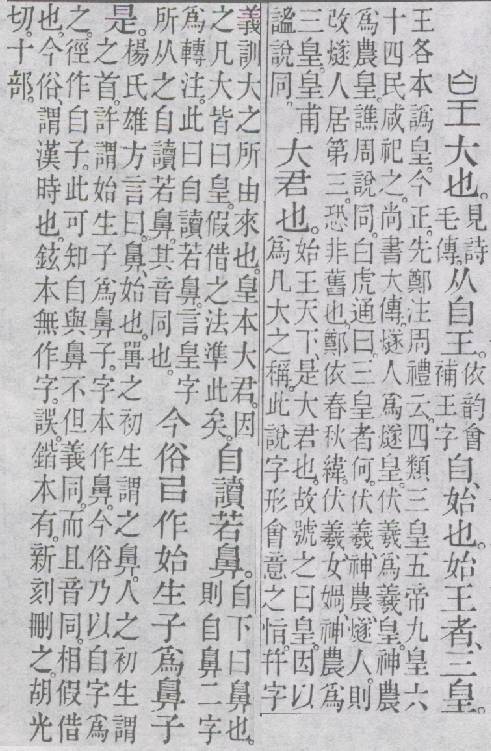
if anyone is interested….
http://www.internationalscientific.org/
《说文解字注》http://www.gg-art.com/imgbook/index.php?bookid=53
http://yuyuejiang.bokee.com/2340857.html

Hinamatsuri-Doll Festival

Hinamatsuri traces its origins to an ancient Japanese custom called hina-nagashi (雛流し, lit. “doll floating”), in which straw hina dolls are set afloat on a boat and sent down a river to the sea, supposedly taking troubles or bad spirits with them.
First platform

An Emperor doll, with two handmaidens.
The top tier holds two dolls, known as Imperial dolls (内裏雛 (だいりびな) da-i-ri-bi-na?) representing the Emperor (御内裏様 O-dairi-sama?) and Empress (御雛様 O-hina-sama?) (dairi means “Imperial Palace“, and hina means “girl” or “princess”).
The dolls are usually placed in front of a gold folding screen byōbu (屏風 ?).
Optional are the two lampstands are called bonbori (雪洞 ?), and the paper or silk lanterns are known as hibukuro (火袋 ?), usually decorated with cherry or plum blossom patterns.
Complete sets would include accessories placed between the two figures, known as sanbou kazari (三方飾り ?), composing of two vases kuchibana (口花 ?).
The traditional arrangement had the male on the right, while modern arrangements had him on the left (from the viewer’s perspective).
Second platform
The second tier holds three court ladies san-nin kanjo (三人官女 ?). Each holds a sake equipment. From the viewer’s perspective, the standing lady on the right is the long-handled sake-bearer Nagae no choushi (長柄の銚子 ?), the standing lady on the left is the backup sake-bearer Kuwae no choushi (加えの銚子 ?), and the only lady in the middle is the seated sake bearer Sanpou (三方 ?).
Accessories placed between the ladies are takatsuki (高坏 ?), stands with round table-tops for seasonal sweets, excluding hishimochi.
Third platform
The third tier holds five male musicians go-nin bayashi (五人囃子 ?). Each holds a musical instrument except the singer, who holds a fan.
Left to right, from viewer’s perspective, they are the:
- Small drum Taiko (太鼓 ?), seated,
- Large drum Ookawa (大鼓 ?), standing,
- Hand drum Kotsuzumi (小鼓 ?), standing,
- Flute Fue (笛 ?), or Yokofue (横笛 ?), seated,
- Singer Utaika (謡い方 ?), holding a folding fan sensu (扇子 ?), seated.
Fourth platform
Two ministers (daijin) may be displayed on the fourth tier: the Minister of the Right (右大臣 Udaijin?) and the Minister of the Left (左大臣 Sadaijin?). The Minister of the Right is depicted as a young person, while the Minister of the Left is much older. Also, because the dolls are placed in positions relative to each other, the Minister of the Right will be on the viewer’s left and the Minister of the Left will be on the viewer’s right. Both are sometimes equipped with bows and arrows.
Between the two figures are covered bowl tables kakebanzen (掛盤膳 ?), also referred to as o-zen (お膳 ?), as well as diamond-shaped stands hishidai (菱台 ?) bearing diamond-shaped ricecakes hishimochi (菱餅 ?). Hishidai with feline-shaped legs are known as nekoashigata hishidai (猫足形菱台 ?).
Just below the ministers: on the rightmost, a mandarin orange tree Ukon no tachibana (右近の橘 ?), and on the leftmost, a cherry tree Sakon no sakura (左近の桜 ?).
Fifth platform
The fifth tier, between the plants, holds three helpers or samurai as the protectors of the emperor and empress. From left to right (viewer’s perspective):
- Maudlin drinker nakijougo (泣き上戸 ?),
- Cantankerous drinker okorijougo (怒り上戸 ?), and
- Merry drinker waraijougo (笑い上戸 ?)
On the sixth and seventh tiers, a variety of miniature furniture, tools, carriages, etc. are displayed.
Platform Six
These are items used within the palatial residence.
- tansu (箪笥 ?) : chest of (usually 5) drawers, sometimes with swinging outer covering doors.
- nagamochi (長持 ?) : long chest for kimono storage.
- hasamibako (挟箱 ?) : smaller clothing storage box, placed on top of nagamochi.
- kyoudai (鏡台 ?) : lit., mirror stand, a smaller chest of drawer with a mirror on top.
- haribako (針箱 ?) : sewing kit box.
- 2 hibachi (火鉢 ?) : braziers.
- daisu (台子 ?) : a set of ocha dougu (お茶道具 ?) or cha no yu dougu (茶の湯道具 ?), utensils for the tea ceremony.
Platform Seven
These are items used when away from the palatial residence.
- juubako (重箱 ?), a set of nested lacquered food boxes with either a cord tied vertically around the boxes or a stiff handle that locks them together.
- gokago (御駕籠 or 御駕篭 ?), a palanquin.
- goshoguruma (御所車 ?), an ox-drawn carriage favored by Heian nobility. This last is sometimes known as gisha or gyuusha (牛車 ?)).
- Less common, hanaguruma (花車 ?), an ox drawing a cart of flowers.
Softwear, by Microsoft

This is Softwear by Microsoft. A clothing line that taps the nostalgia of when PCs were just starting to change our lives. With retro logos, classic photos and geek-chic iconography, these pieces showcase the DOS days of the software company that now connects over a billion people.
New Media Athletes
make sure your sound is on.
100 days, 100 songs, 100 locations, 100 dances.
another Yale-er.
Asian Dragons
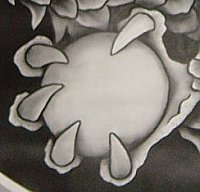
Chinese or Korean imperial dragons have five toes on each foot; Indonesian dragons have four and Japanese dragons have three. To explain this phenomenon, Chinese legend states that although dragons originated in China, the further away from China a dragon went the fewer toes it had, and dragons only exist in China, Korea, Indonesia, and Japan because if they travelled further they would have no toes to continue. Japanese legend has an opposing story, namely that dragons originated in Japan, and the further they traveled the more toes they grew and as a result, if they went too far they would have too many toes to continue to walk properly. These theories are rejected in Korea and Indonesia. Another interpretation: according to several sources, including official documents from earlier times, ordinary Chinese dragons had four toes — but the Imperial Dragon had five. It was a capital offense for anyone other than the emperor to use the five-clawed dragon motif. Korean sources seem to disagree (or perhaps agree) with this theory, as the Imperial dragon in Gyeongbok Palace has seven claws, implying its superiority over the Chinese Dragon. Of course, this dragon image is hidden in the rafters of the palace and not entirely in view, even to those who know it is there, suggesting that while the ancient Koreans viewed it as superior, they also knew that it would be offensive to the Imperial Chinese Court.
Copyright © _dreams. All rights reserved.