
Archive for the ‘dreams’ category

Networks and Transactions 2 (Art 752a)
Fall 2007, Thursdays 1:30-5:30
Dan Michaelson
http://art.yale.edu/Art752a
Prerequisite: Networks & Transactions 1 (742b) or equivalent experience. The class is intended
for second-year graduate design students who are working toward their thesis. If space permits,
first-years who took 742b last year as prelims, are also welcome.
For me, some of the most exciting possibilities in design, arise when design’s job is to connect
multiple networks of information and of people, all of which are in motion. You will do two
assignments in this class, the larger of which is to create a system for communication.
We will also discuss how to site, show, or publish work that is inherently transient, in ways that
are appropriate to each student’s thesis.
Assignment 1: Junction
Identify two flows in the city of New Haven (or any other ecosystem that you frequent). For
example, cups of coffee sold at Dunkin Donuts, live music listings, bus schedules, historical
change in areas of the city, parking and unparking, classroom occupation, construction and
destruction, the movement of garbage or runoff, fashion memes, population flux, sunlight,
weather patterns, or the circulation of people within and between neighborhoods.
Expose or enable an intersection between these two flows. (Maybe or maybe not in an
advantageous way, or in an antagonistic, meaningful, or absurd way.) For example, could a
display in a bodega tell customers about lectures at Yale. In that case how would its design
engage both the bodega and the university?
Consider carefully what is your own scope or domain as the graphic designer of a junction, and
what is not. What is an appropriate and beautiful typography and movement for the junction
you’re creating?
No technology is necessary for this assignment and you must be able to finish completely in
four weeks, while working simultaneously on Assignment 2. (Therefore you are discouraged
from pursuing a technological solution for Assignment 1.) Your final deliverable can be a
scenario, a prototype or demonstration, or a temporary or permanent insertion into the
environment.
Final requirement: This project must contribute to your thesis book (as well as to your thesis).
Consider now how the visual work products of this assignment can help illustrate your thesis,
and can be adapted to fit into a book. In the past, students have sometimes elected to
collaborate on this assignment; I neither encourage nor discourage this, but have added this
requirement instead.
Assignment 2: Telegraph
“Last week, 745 human lives were saved from perishing by the wireless. But for the almost
magic use of the air the Titanic tragedy would have been shrouded in the secrecy that not so
long ago was the power of the sea … Few New Yorkers realize that all through the roar of the
big city there are constantly speeding messages between people separated by vast distances,
and that over housetops and even through the walls of buildings and in the very air one
breathes are words written by electricity.” – New York Times (Apr 21, 1912)
“Just a moment- just a moment-” – HAL 9000
Design a system for two-way communication between people. The system should enable
continuous back-and-forth conversation to take place. The system can use the computer screen
and the internet, but it doesn’t have to. It may instead use an intranet, hand delivery, the post,
telephone, semaphores, etc. It can connect two users at a time, or more. Your solution need not
be technological in any way. But you must show how it works as a two-way communication
system by implementing it.
As with the junction project, remember that your domain is graphic design. The goals and focus
of your solution should lie within that domain: a typographic and movement form, a system for
the structuring of language. What interface will you create for sending and receiving messages;
and what are the possible typographies for these messages? How do these two aspects
influence one another? Graphic design is always about technology and technique (technics); in
your project, how do modes of transmission, processing, and typographic display affect
language and communication?
Remember that your solution should be essentially adverbial or qualitative: what is
communicating like in your universe of messaging. The questions of what communication takes
place or why it does, are important to think about as you try to understand your users; but to try
to influence answers to these questions may not be productive.
I will provide sample code in Flash for an instant messenger. However, this is only one option
for you to use.
Due next week:
- Visual research and initial sketch(es) of junction project.
- Visual research toward telegraph project.
ISEA2008
ISEA2008
25 July - 3 August
ISEA, the International Symposium on Electronic Art initiated in 1988, is the world’s premier media arts event for the critical discussion and showcase of creative productions applying new technologies in interactive and digital media. Held biannually in various cities throughout the world, this migratory event is being held in Asia for the second time in its history, after Singapore successfully secured this bid.This symposium consists of three aspects of peer reviewed conference, internationally juried exhibition and various in-conjunction and partner events. ISEA2008 is proud to announce an Artists In Residence programme supported by the National University of Singapore that will run for the year leading up to the 2008 Symposium.
For more information on the main juried exhibition visit the AIR web page.
For more information on the conference programme visit the conference web page.
Beijing Welcomes You
What i find bizarre is that there are so many non-China celebrities in there, coming from Hong Kong, Taiwan, Singapore and even USA. Does the Beijing Olympics represent a celebration of Chinese people all over the world, which includes overseas Chinese, instead of merely the people from the motherland? On a lighter note, this video must have cost them a bomb to involve so many different celebrities.
Cinema 1: The Movement Image
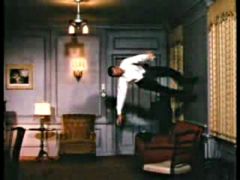
Deleuze, commenting on the philosophy of Henri Bergson, dismisses the conception of cinema as a succession of still photographs. Instead, he argues that what cinema gives us is movement-image (p2). Figures are not described in motion; rather, the continuity of movement describes the figure (p5). In this respect, cinema embodies a modern conception of movement, “capable of thinking the production of the new” (p7), as opposed to the ancient conception of movement as a succession of separate elements, exemplified by Zeno’s arrow.
Gilles Deleuze
Likewise, rather than seeing philosophy as a timeless pursuit of truth, reason, or universals, Deleuze defines philosophy as the creation of concepts. For Deleuze, concepts are not identity conditions or propositions, but metaphysical constructions that define a range of thinking, such as Plato’s ideas, Descartes’s cogito, or Kant’s doctrine of the faculties. A philosophical concept “posits itself and its object at the same time as it is created.”[21] In Deleuze’s view, then, philosophy more closely resembles practical or artistic production than it does an adjunct to a definitive scientific description of a pre-existing world.
In his later work (from roughly 1981 onward), Deleuze sharply distinguishes art, philosophy, and science as three distinct disciplines, each analyzing reality in different ways. While philosophy creates concepts, the arts create new qualitative combinations of sensation and feeling (what Deleuze calls “percepts” and “affects”), and the sciences create quantitative theories based on fixed points of reference such as the speed of light or absolute zero (which Deleuze calls “functives”). According to Deleuze, none of these disciplines enjoy primacy over the others[22]: they are different ways of organizing the metaphysical flux, “separate melodic lines in constant interplay with one another.”[23] For example, Deleuze does not treat cinema as an art representing an external reality, but as an ontological practice that creates different ways of organizing movement and time. Philosophy, science, and art are equally, and essentially, creative and practical. Hence, instead of asking traditional questions of identity such as “is it true?” or “what is it?”, Deleuze proposes that inquiries should be functional or practical: “what does it do?” or “how does it work?”[24]
Mark Wigley on Deconstructivist Architecture
“The frame is warped…The structure is shaken but does not collapse…These buildings are extremely solid. The solidity is just organized in an unfamiliar way, shifting our traditional sense of structure. Though structurally sound, at the same time they are structurally frightening.”
Sulumi’s Stereo Chocolate
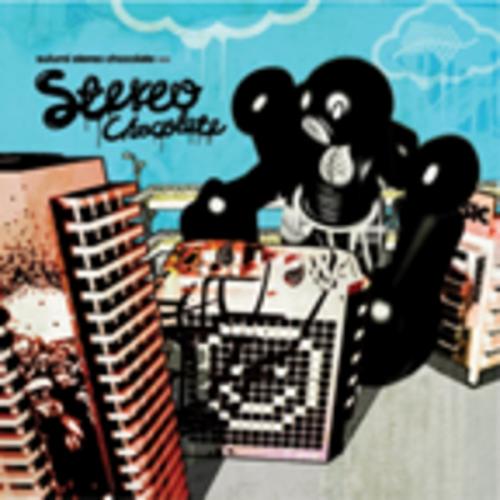
Sulumi’s e-music album generated using a Nintendo Game Boy. Preview it here.
Shanshui 4th Anniversary Meeting
check out Maru’s performance with his computer game console. Sulumi (Sun Dawei) is another guy who used a Nintendo Game Boy to generate an e-music album called Stereo Chocolate.
Shanghai Supergirl
Part of my research for ‘China Design Now’. This reality tv show was a major milestone in Chinese pop culture. Somehow reminds me of Taiwan.
Are you the next great British designer?

BBC Two and Philippe Starck are teaming up for a brand new TV series to find the next great British designer.
Internationally renowned designer Starck will be heading up a specially created School of Design in Paris. Ten aspiring designers with the talent, drive and vision to create the next ‘must have’ products of the 21st Century will be given the unique opportunity to learn and work alongside Starck and his team over a period of several months.
Those interested can find out more about it right HERE
BBC, Philippe Starck, product design. Could be interesting. Knowing a bit about Starck, he can sometimes be… controversial to say the least. This project could bring more attention to design. BUT is there a chance of making a circus out of it? Does the end justify the means?
i keep thinking this is BIG
- HUGE
- Brooklyn, NY, USA
- Posted on: Jul 24, 2008
-
Art Director
HUGE is an innovative design firm with offices in Brooklyn and Los Angeles and a renowned team of designers, programmers, and interaction specialists, all with a dedication to beautiful, functional design. We’ve won numerous design and branding awards for our work and have an outstanding client list including IKEA, JetBlue, MTV, Warner Music Group, and Time Inc.
We are currently seeking an Art Director to lead the visual design for some of the biggest and most innovative media projects online. These are major consumer facing websites and we are looking for someone with experience building large scale projects involving high content properties and designing commerce sites.
HUGE Art Directors report to the Associate Creative Director and work alongside the account team, interaction designers, and programmers. He or she will be responsible for brainstorming creative concepts with the project team, developing original design concepts, and overseeing the designs execution. He or she will also participate in visual design presentations to clients, develop design specs for production, and oversee and/or build a junior design team.
Requirements:
- 5+ years of interactive experience (preferably agency)
- Strong conceptual thinking– both visual and interactive
- A solid understanding of designing intuitive site functionality, interaction, site architecture, user interfaces, and navigation.
- Driven to define the look and feel of large, industry-leading sites.
- Strong leadership skills- ability to lead a team, manage and mentor junior designers
- Strong communication skills- you will interface with clients frequently as well as work on teams within the office.
- Ability to work autonomously
- A great attitude- We value our creative talent tremendously and show it, but we operate a prima-donna free work zone.
We’re looking for a Long Term Relationship (LTR): This is an opportunity to be a part of something big! We’re growing quickly and want an applicant who is interested in being a part of this exciting time at our company. There is a great deal of opportunity to evolve in this role integrating your passions and strengths.
-
- To Apply:
- Qualified applicants interested in applying for this position, please send your LINK TO YOUR ONLINE PORTFOLIO and RESUME to work@hugeinc.com
- , with the subject header “ART DIR- NY.”
- http://www.krop.com/jobs/w8j5f/
Stapled & Torn
Stapled and Torn is a poster show featuring some of the most influential poster designers of the Pacific Northwest. Work from 33 RPM, Josh Berger, Casey Burns, Erik Blad, Guy Burwell, Mike King, Art Chantry, Aaron Draplin, Gary Houston, Pete McCracken, Modern Dog, Elizabeth Morrow McKenzie, Jon Wippich, Dan Stiles, Patent Pending, Tyler Stout, Shawn Wolfe, Lee Zeman, Nemo, and more…
Opening on Friday, August 1, 2008 from 6:30 pm - 10:00 pm. The show will run through Monday, September 01, 2008 at Nemo: 1875 SE Belmont Street in Portland, OR.
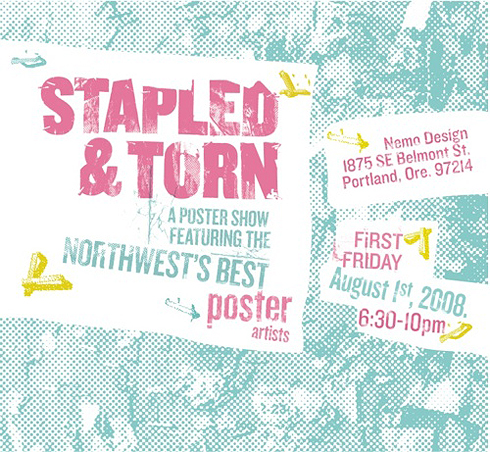
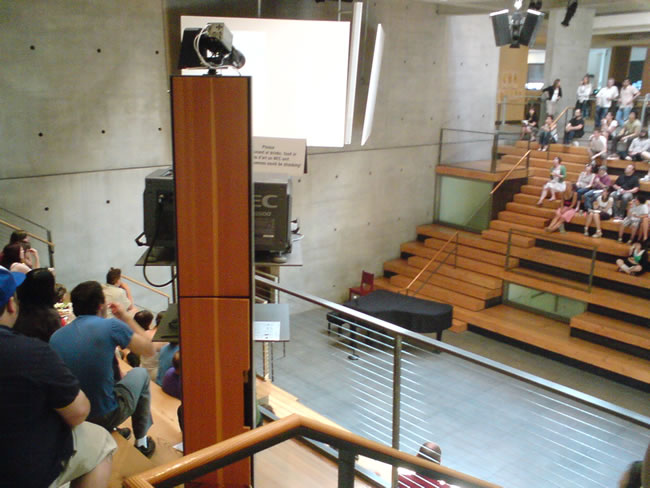
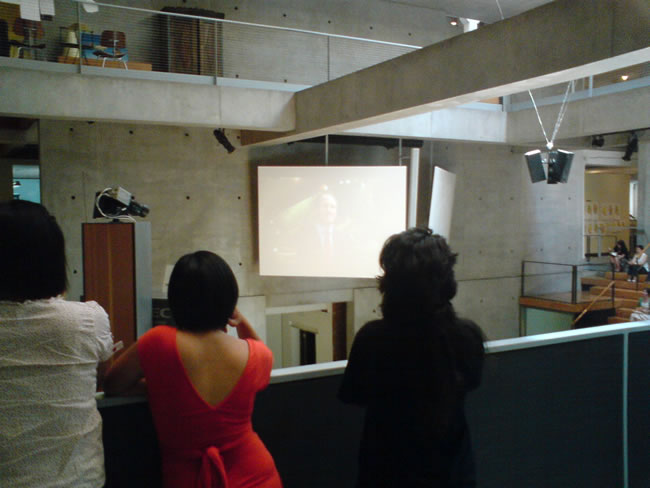
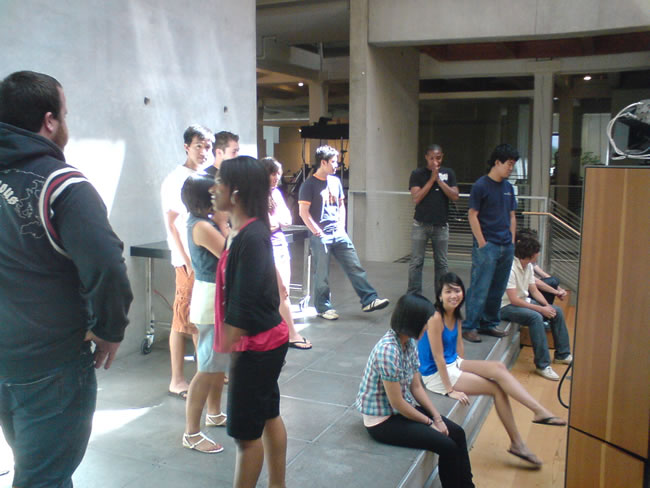
So my friend Andrio whom i had met at Seeking was in Portland for a month to do freelance work for Wieden+Kennedy and it was just a coincidence that he was having a group show here too. He invited me to go yesterday and i invited 2 of my other friends from Wieden along. It was cool seeing all the silkscreen posters….i miss the personal quality of silkscreened work, and for some insane reason, i sort of missed Pratt. Being in an ad agency, alot of the work becomes so impersonal, because it passes through so many hands, and more often than not, the final product isn’t even produced by the same person.
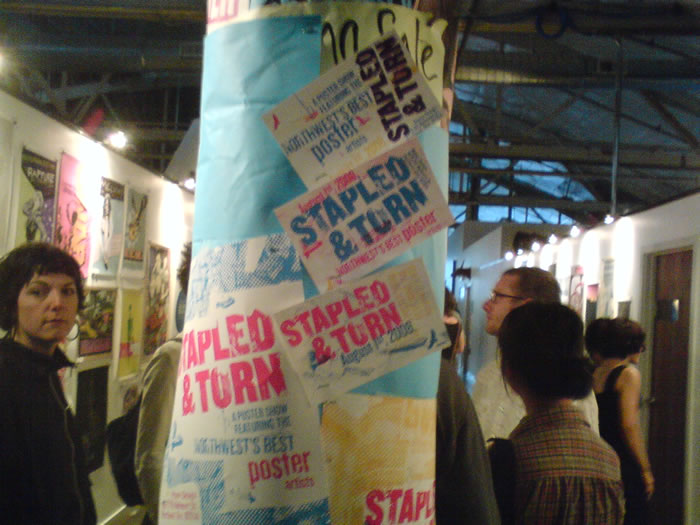
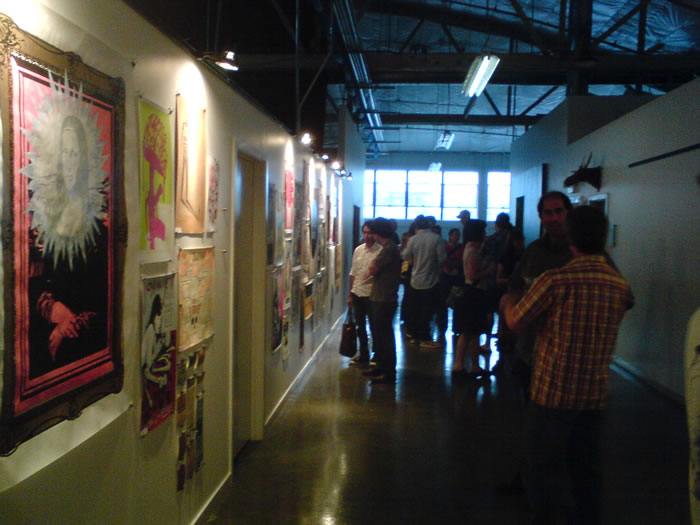
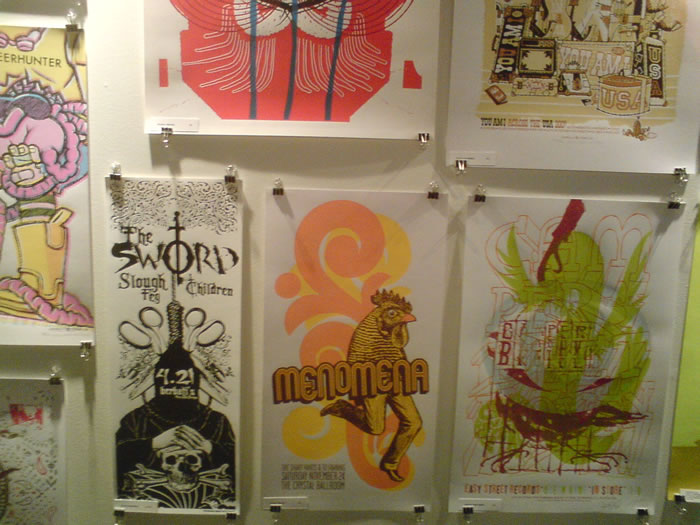
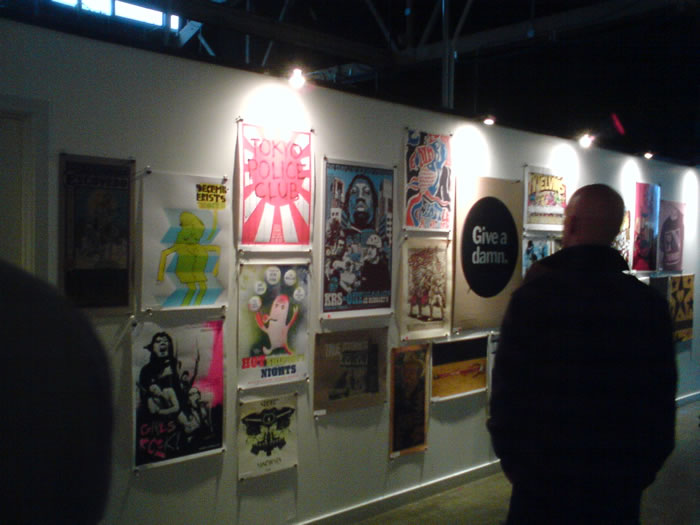
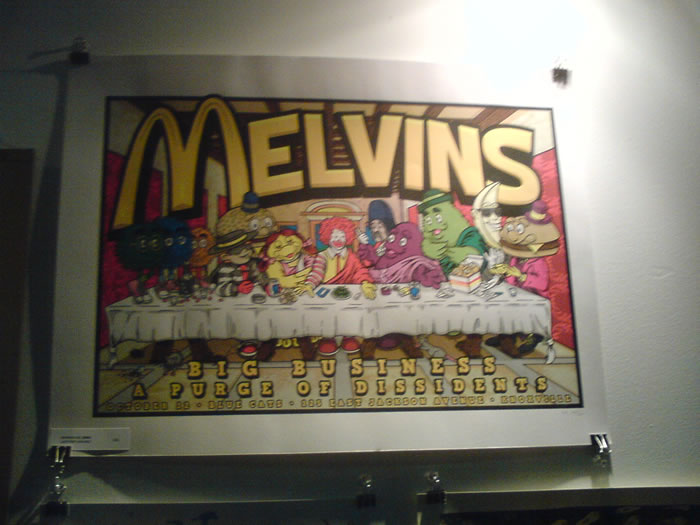
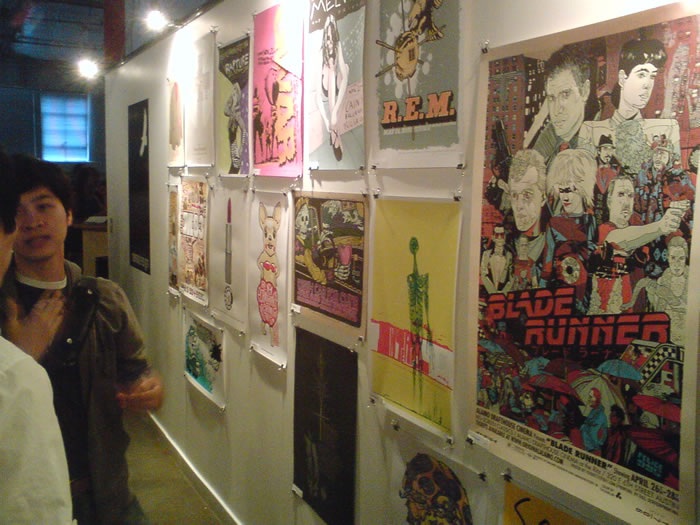
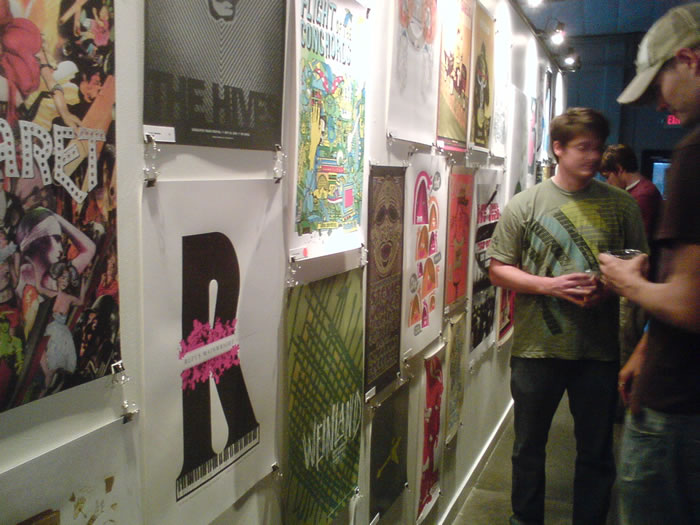
shot on my nifty Sony Ericsson. sorry they’re a little blurry, but hey, it’s a phone.
Out of Your League Girl
http://www.outofyourleaguegirlonconfidence.com/
for Converse.
Copyright © _dreams. All rights reserved.