Yes and no. No two snowflakes are exactly identical, down to the precise number of water molecules, spin of electrons, isotope abundance of hydrogen and oxygen, etc. On the other hand, it is possible for two snowflakes to look exactly alike and any given snowflake probably has had a good match at some point in history. Since so many factors affect the structure of a snowflake and since a snowflake’s structure is constantly changing in response to environmental conditions, it is improbable that anyone would see two identical snowflakes.
Why are snowflakes symmetrical?
First, not all snowflakes are the same on all sides. Uneven temperatures, presence of dirt, and other factors may cause a snowflake to be lop-sided.
Yet it is true that many snowflakes are symmetrical and intricate. This is because a snowflake’s shape reflects the internal order of the water molecules. Water molecules in the solid state, such as in ice and snow, form weak bonds (called hydrogen bonds) with one another. These ordered arrangements result in the symmetrical, hexagonal shape of the snowflake. During crystallization, the water molecules align themselves to maximize attractive forces and minimize repulsive forces. Consequently, water molecules arrange themselves in predetermined spaces and in a specific arrangement. Water molecules simply arrange themselves to fit the spaces and maintain symmetry.
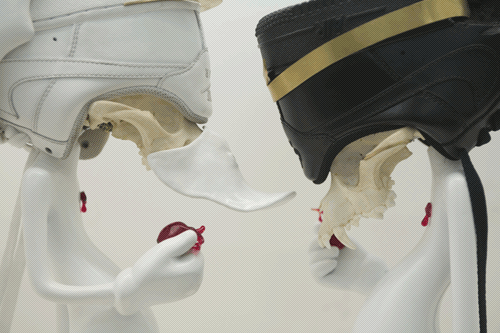
BAGHDAD — A day after an Iraqi television journalist threw his shoes at President Bush at a news conference in Baghdad on Sunday, his act of defiance toward the American commander-in-chief reverberated throughout Iraq and across the Arab world.
In Sadr City, the sprawling Baghdad suburb that has seen some of the most intense fighting between insurgents and American soldiers since the 2003 invasion, thousands of people marched in his defense. In Syria, he was hailed as a hero. In Libya, he was given an award for courage.
”China has witnessed tremendous changes since the adoption of reform and opening policy. ”
For those familiar with China’s politics, is this Deng Xiaoping’s way of justifying the economic reforms he implemented 30 years ago? It’s interesting how it’s specfically 30 years AFTER economic reforms, not after Mao’s rule, sort of giving a lot of credit to Deng Xiaoping to China’s so-called ‘progress’ today, and possibly negating Mao’s contributions.
FEW EVENTS IN MODERN HISTORY have been as distorted and demonized as China’s Cultural Revolution of 1966-76. Yet few events are more deserving of modern rediscovery.
This unique symposium, REDISCOVERING CHINA’S CULTURAL REVOLUTION, offers an opportunity to rediscover–or discover for the first time–what this “revolution within a revolution” in socialist China was really all about
This is Jelly Helm. If you don’t know him, maybe you should. But you’ve probably already seen alot of his work in your homes and in your life. One of them is probably the Nike Good vs Evil ad. A legend in advertising at Wieden+Kennedy who later quit his job and went on to teach at VCU about the evils of advertising, who then later came back to W+K to create WK12, an ad agency disguised as a school disgused as an ad agency that does work for non-profit organizations. He was also the person behind the Seeking campaign, which in many ways has affected my personal life and journey so far, and given me opportunities to travel to Portland and now to Shanghai. I personally had the honour of speaking to him once, and wished I had more time to learn from him, but I’m glad he has moved on from W+K and is now ‘doing the things that make him happy’, so he said in our last conversation.
Here’s a quote from his blog that i found interesting:
We were at a dinner party the other night and when one woman found out that I worked in advertising, she asked me, picking her words very carefully, “What do you think about truth in advertising?”
The biggest lie in advertising is not that the product doesn’t perform as promised, it’s the consumer fantasy of how to achieve a happy and fulfilling life. That script has stopped being credible. Eventually, inevitably, we stop seeking status and fulfillment through stuff. We seek connection and meaning through experience. We are entering the post-consumer society.
Post-consumer brands help us experience our humanity, joy and connection. The iPhone, Google, Facebook, Obama, Guitar Hero, the Wii, the Toyota Prius. Nascar. The amazing growth of the local food movement and Farmer’s Markets. We seek connection, and we seek experiences that make us feel connected. The post-consumer society.
ijoi’s Chinese name is 视觉我享, which roughly translates to “I Enjoy Sight.” ijoi is a web platform to promote design(ers) from and in China. They showcase work, conduct interviews and have plans to roll out podcasts (video & audio).
For example, here’s an excerpt from the video interview (subtitled in both Chinese and French) that was done with Weestar 魏星宇:
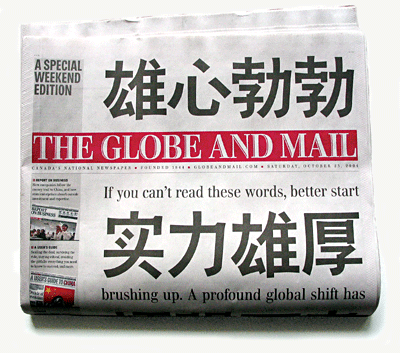
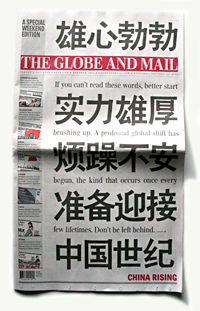
Somthing quite radical appeared on the front page of one of Canada’s national newspapers this past Saturday – and I’m glad I was part of it. The Globe and Mail put out a special edition on China and asked me to design some Chinese lettering for the front page. The result was striking. The Chinese characters read: Ambitious, Powerful, Restless… Get Ready for China’s Century. This weekend edition sold out in Greater Vancouver on Saturday alone. And here’s one of the emails the paper received: “To live on this planet for almost 70 years and finally witness one of the most spectacular front pages in my lifetime, makes me want to tell everyone where I was when I first saw it.” — J. Kerr, Vancouver
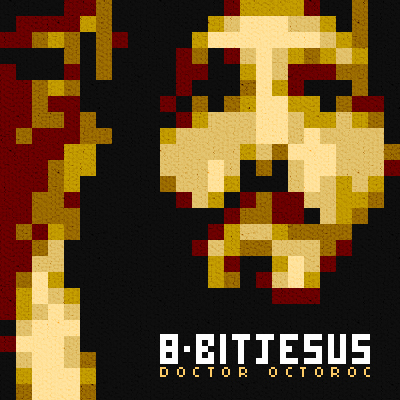
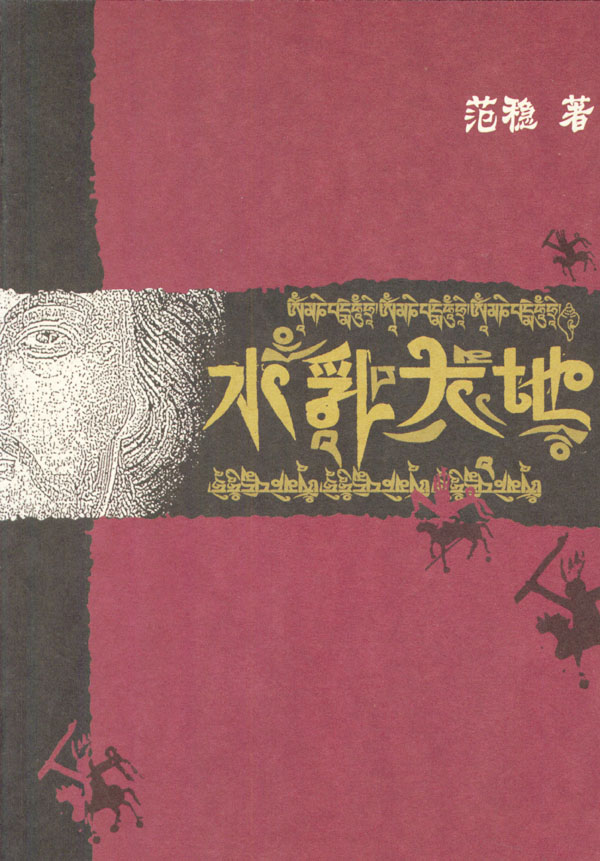
The cover of an album by Han Hong, a singer born in Tibet whose songs
flavor generic Mando-pop with Tibetan influences. The 日 element in her
last name 韩 and the trainling stroke of the 红 are reminiscent of
Tibetan writing.
An ad for Wellcome (one of the big supermarket chains in Hong Kong) based on the premise that if the little daughter saves enough, one dollar at a time, that she can buy back some of her father’s time spent at work.
A documentary about two rivaling video gaming champions on the classic coin-op game Donkey Kong, Todd Rogers makes a brief appearence to give his view points and perspectives on competitive gaming.
These Throwing Star Magnets will hold some notes on your fridge door. It is sold in packs of two each Shuriken has 2 powerful magnets for strong grip and make it look as if they are been embedded into the surface.
There were no superheroes during the renaissance period. Why? Apparently there were no supervillains so they were not needed. That would explain the lack of superheroes in fine art. It’s time to fix that.
The rules of the contest are thus:
Take any piece of fine art and incorporate a superhero (or supervillain).
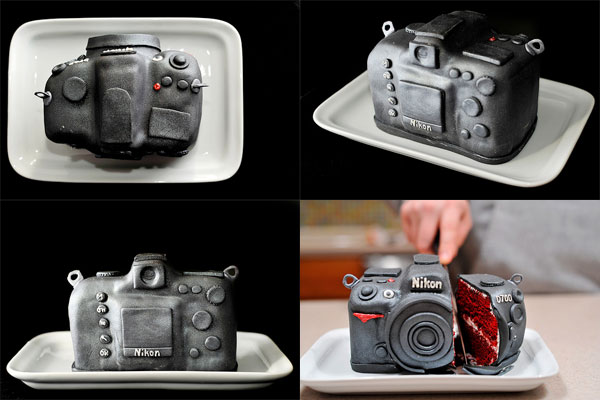
Flickr user fsumaria has herself a great husband. After all, only a great husband would bake a Nikon D700 cake for his wife’s birthday then follow it up by giving her the real thing.